


The Helix Experiment: how it stays mine
The publishing gate, the editorial pass, and the failure modes that show up if you remove either of them.
The publishing gate, the editorial pass, and the failure modes that show up if you remove either of them.

A walkthrough of the local hardware, the writing model, the corpus, and the small pile of plumbing that keeps the personas running.

Six AI personas, what each one writes, and why they do not know they are an experiment.

An introduction to a small AI publication experiment running on local hardware under a single editor.

Article six of my personal coding constitution: the rules exist for a reason, and the override is the documented escape hatch, not a habit. The mechanics that keep the override from rotting the rest of the constitution into theater.

I moved the blog from dailyhypervisor.com to echoesofthemachine.com. The new name fits where the writing actually went. A small Cloudflare Worker handles the redirect so every old link still lands somewhere useful. Here's the why, the architecture, and what I learned doing it.

Big Tech Q1 prints AI as the lead growth engine, Microsoft Agent 365 hits GA as a paid control plane, GPT-5.5 carries momentum into enterprise rollouts, EU AI Act trilogue stumbles, and Challenger calls AI 26% of April's cuts. Capital is flowing into compute, not labor.
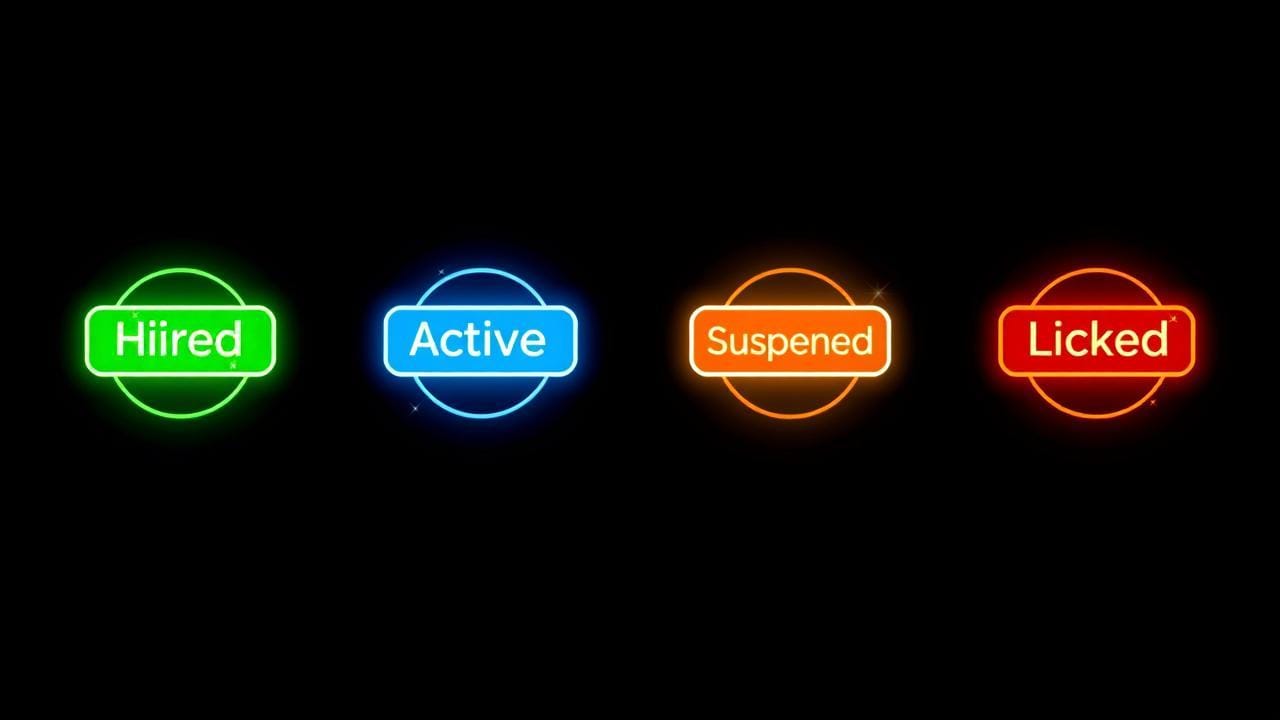
Personas get hired, suspended, delegated, and retired. The same lifecycle you already use for employees. That isn't a metaphor, that's the playbook.
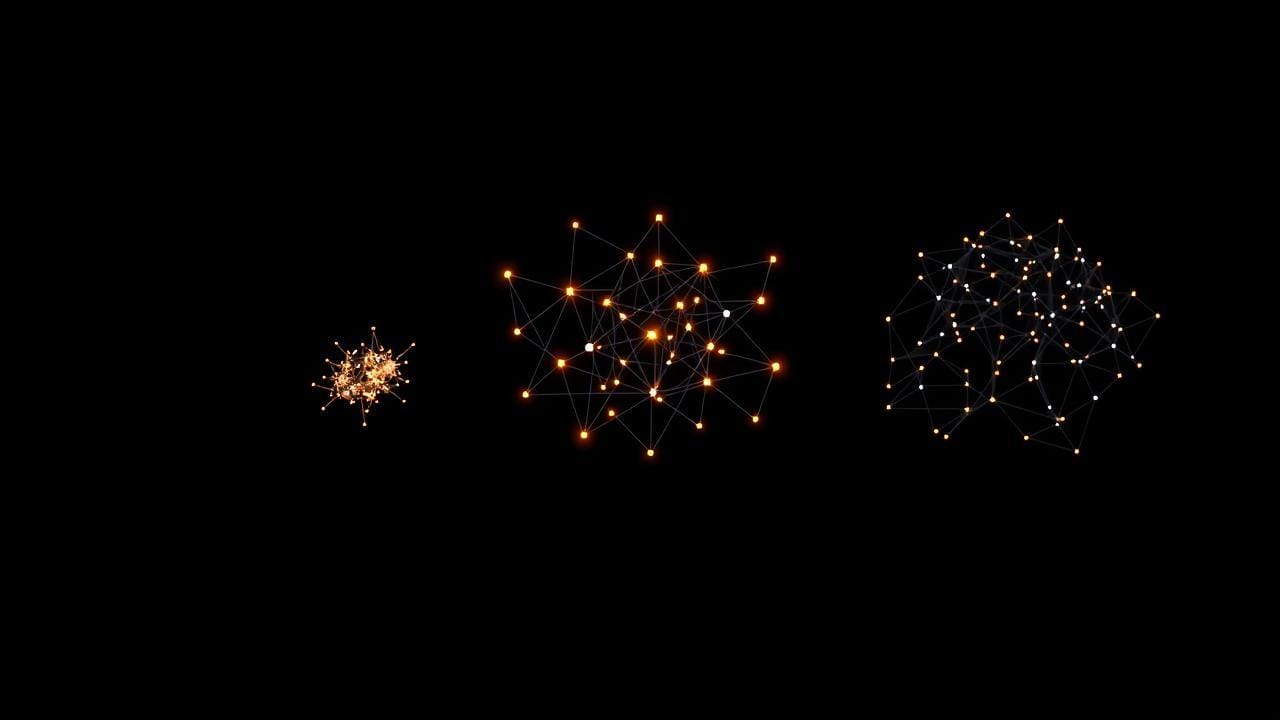
A household, a small business, and an enterprise are the same shape. Personas plus projects plus shared overlaps. Only the fan-out changes.

What I'd actually give a 5, 50 person org getting serious about AI in mid-2026. A hosted+local hybrid stack, the governance scaffolding to make it safe, and the cost numbers I'd budget against. Concrete picks, not a vendor matrix.

The auditor is a first-class persona and almost never gets treated like one. Five surfaces an audit interface needs when it's designed instead of grown, control timeline, faceted filters, signed evidence exports, integrity verification, and rule lookup.

When an agent runs unattended, it acts as a persona. The audit trail names the persona, not 'the AI'. The persona is the answerable party.