

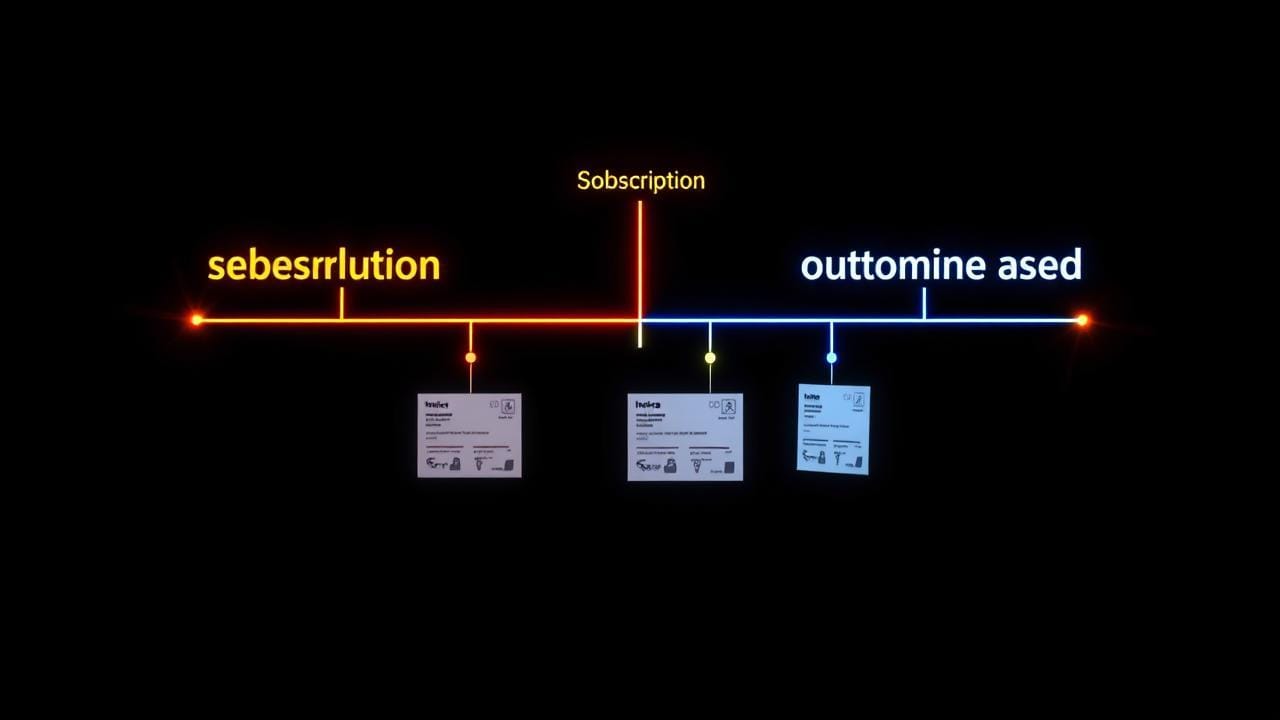
Pricing the service: subscription, per-resolution, outcome-based
Subscription, per-resolution, outcome-based. The pricing decision tree, the cost-of-goods math, and the free-tier question, closer for the operate series.
For small teams and small organizations — frugal stacks, team-of-one governance, small-shop AI
Subscription, per-resolution, outcome-based. The pricing decision tree, the cost-of-goods math, and the free-tier question, closer for the operate series.
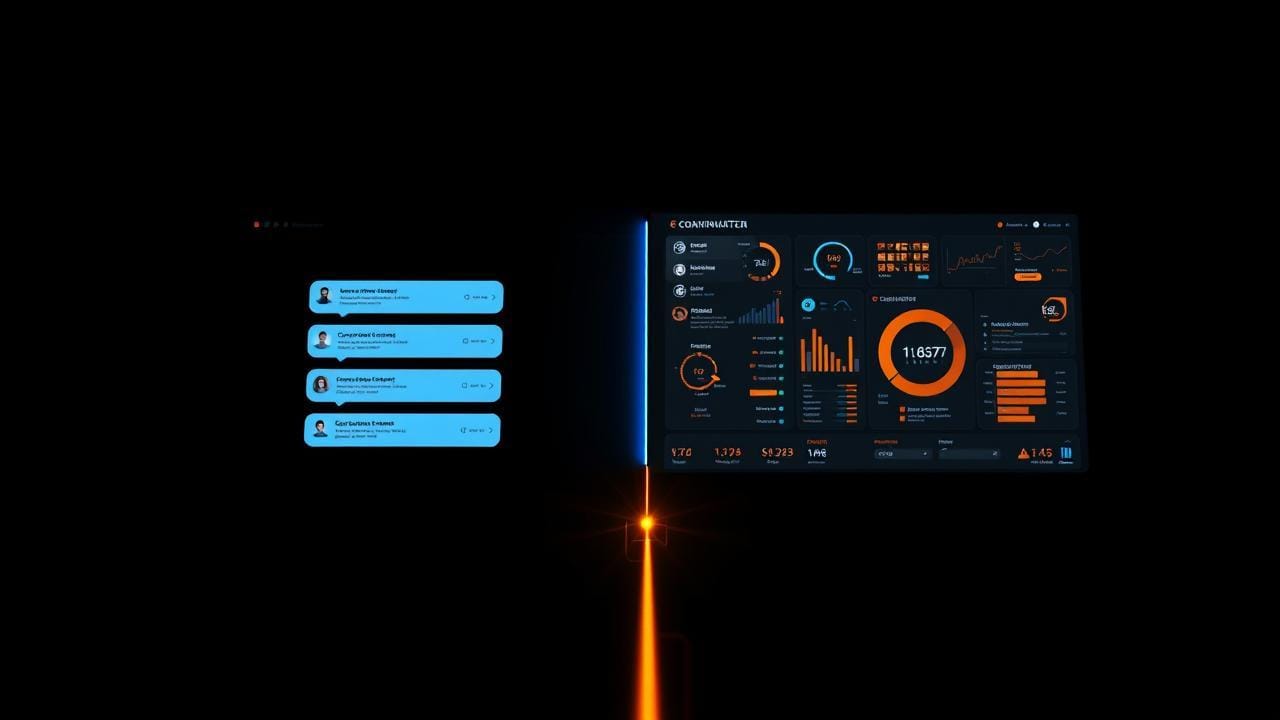
One backend, two surfaces. Customer asks and gets an answer. Consultant supervises the queue, approves, denies, and mines for patterns.

When a consultant signs up, how do they get from 'I have secret sauce' to a live AI surface in five minutes? Onboarding as a first-class feature.
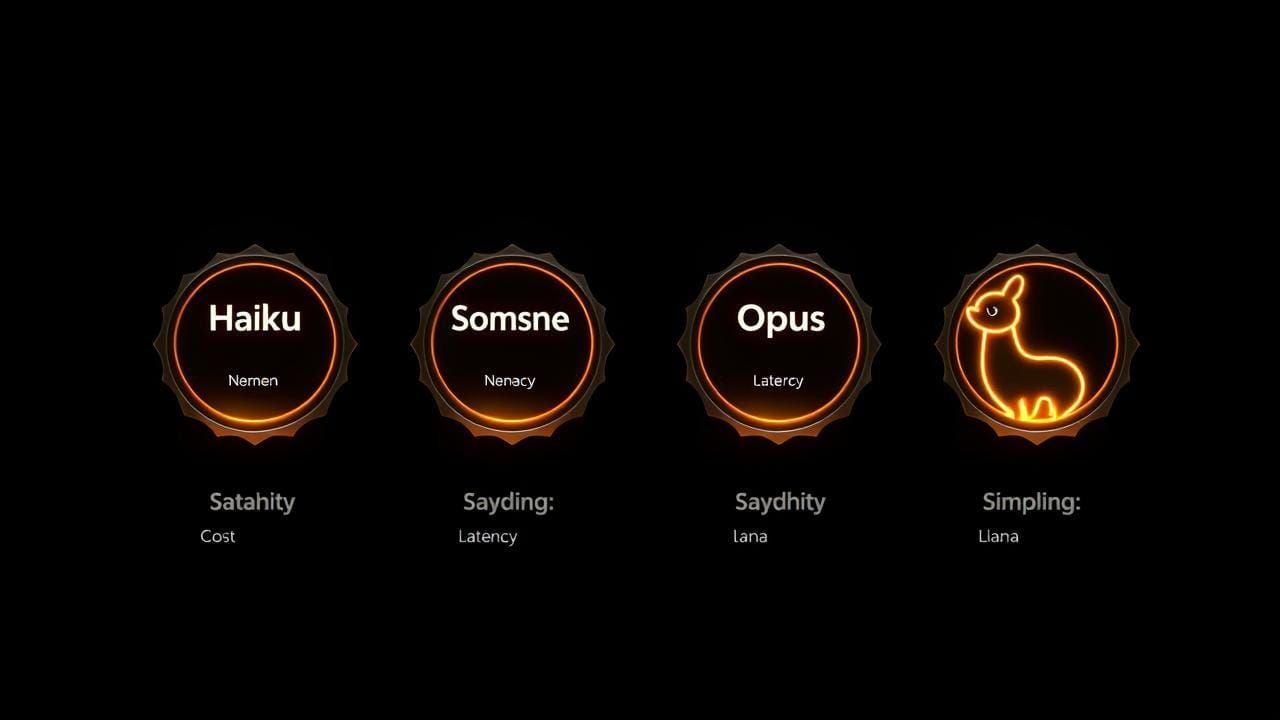
Sonnet, Haiku, Opus, Llama. Picking the right Bedrock model per use case using evals, not gut feel, and knowing when to switch.

Closing the AI MVP series. What you can safely skip on day one, what you absolutely can't, and what the first 30 days of customers will teach you that nothing else can.

The wiring between a cloud AI product and a local Mac Studio. SQS for events, S3 for artifacts, EventBridge for schedules, signed manifests for the round-trip.

The smallest setup that lets you ship an AI MVP without breaking things. CDK, GitHub Actions, three environments, migrations and secrets handled honestly.

Runway math for an AI MVP with zero customers. What the AWS free tier actually covers, what bites you, and when local pays back.

Bedrock rate-limited, the Mac Studio offline, the customer asking something the AI can't handle, the graceful degradation patterns that fall back to human-only without the customer noticing.

CloudWatch, structured logs, a real audit table, and trace IDs that follow a request through every Lambda hop and every back-office Mac Studio job. Day one, not a thing you bolt on later.

Day-one, every AI suggestion goes through a human approval. Then you mine the approvals, find the safe classes, let those auto-resolve, and keep the audit trail through the whole transition.

Test sets, golden examples, regression detection. The eval harness is how you find out the AI broke before a customer does, and it has to be a permanent part of the stack, not a side project.