


Failure modes: graceful degradation when something's down
Bedrock rate-limited, the Mac Studio offline, the customer asking something the AI can't handle, the graceful degradation patterns that fall back to human-only without the customer noticing.
Bedrock rate-limited, the Mac Studio offline, the customer asking something the AI can't handle, the graceful degradation patterns that fall back to human-only without the customer noticing.

CloudWatch, structured logs, a real audit table, and trace IDs that follow a request through every Lambda hop and every back-office Mac Studio job. Day one, not a thing you bolt on later.

Day-one, every AI suggestion goes through a human approval. Then you mine the approvals, find the safe classes, let those auto-resolve, and keep the audit trail through the whole transition.
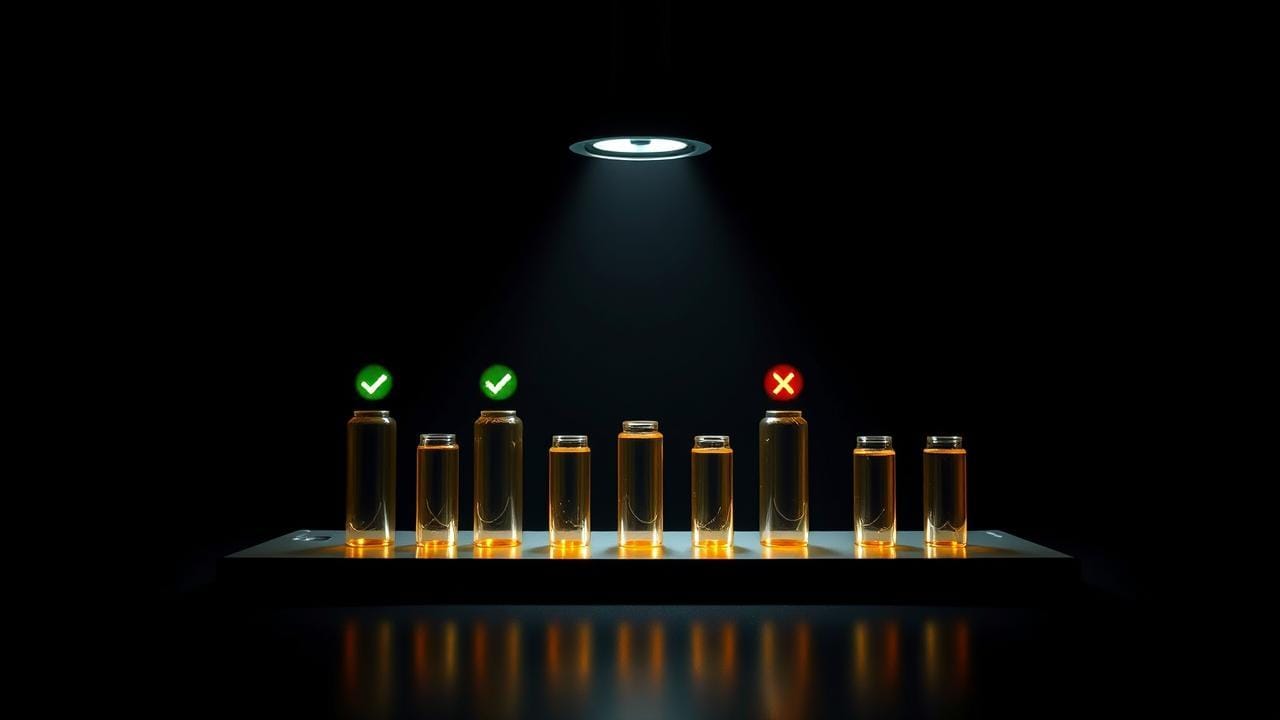
Test sets, golden examples, regression detection. The eval harness is how you find out the AI broke before a customer does, and it has to be a permanent part of the stack, not a side project.

The promotion from Tier 2 (execute with confirmation) to Tier 3 (execute bounded, no per-action confirm) is the steepest cliff in the autonomy ladder. What gates need to be in place before the promotion is safe, and what can no longer be optional once you cross.
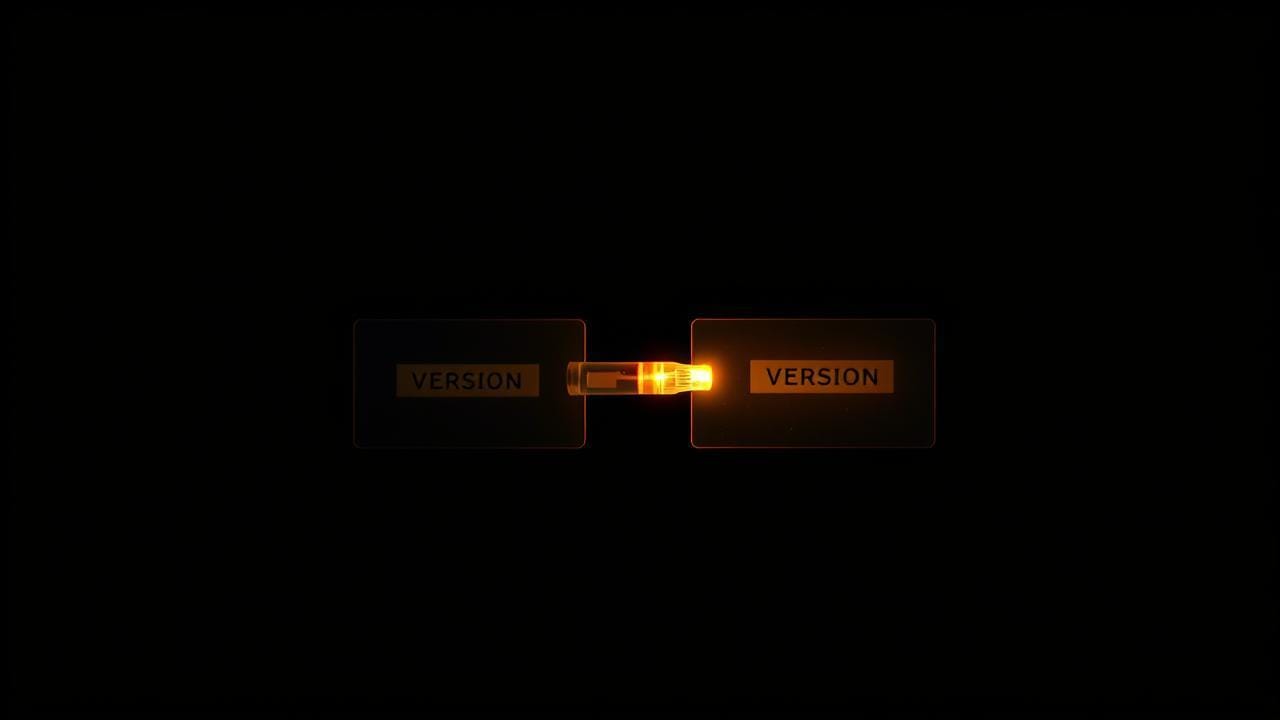
Prompts in git, versioned, A/B-tested via feature flags, rollback when regressions hit. The single most-edited surface in an AI product needs the same discipline as code.
Meta confirms 8,000 layoffs against a $135B capex print. OpenAI hands the EU GPT-5.5-Cyber while Anthropic holds Mythos. Anthropic overtakes OpenAI for business customers, eyes $950B. Google I/O ships Tuesday. The concentration story keeps writing itself.

Triage is cheap and fast. Diagnose is slow and smart. Resolve is gated by a human until it isn't. The three loops of an AI product, with different cost profiles and different SLAs.

Your consultant's body of work is the retrieval corpus. Embeddings, chunking, hybrid search, the prompt template that pulls in the right context, this is the surface that earns the bill.

One Postgres for both your relational data and your embeddings. Secrets in Secrets Manager. Encryption on by default. The MVP-grade data layer that doesn't need a forklift later.
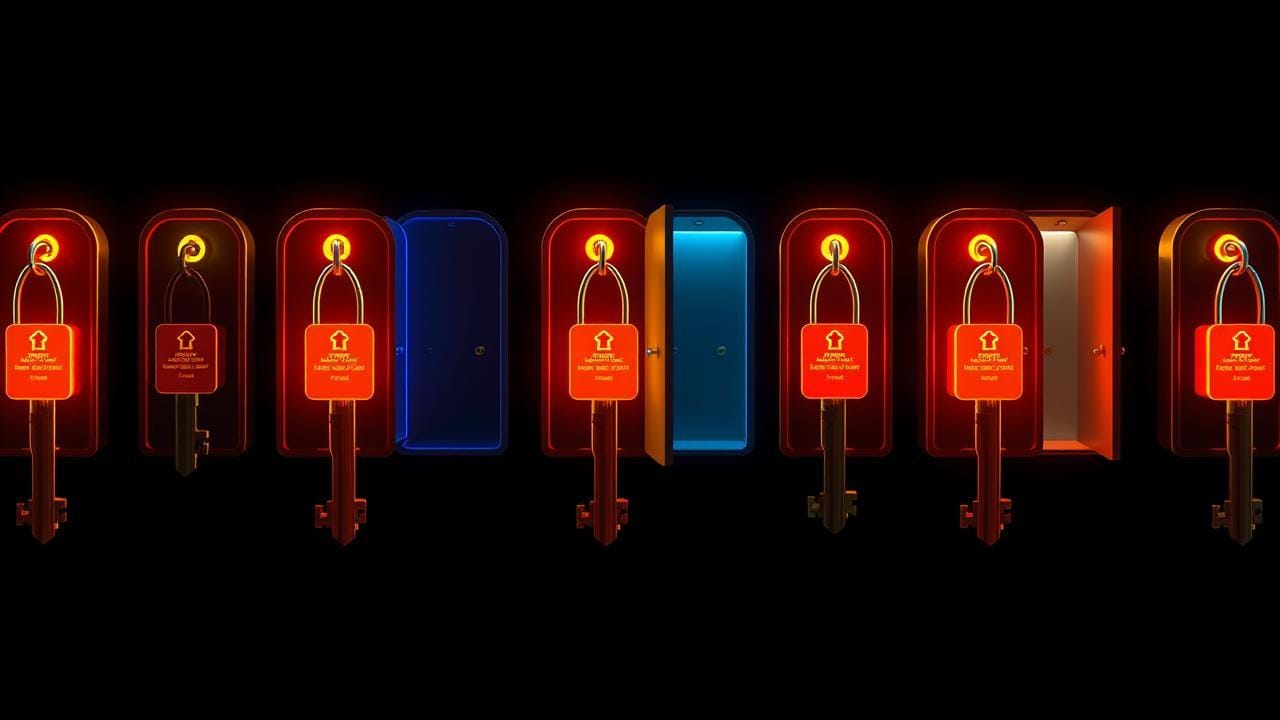
The cheapest day-one decision is also the most expensive one to defer: auth, tenant scoping, and row-level security wired in before you have a single customer.

mflux, ollama/mlx-lm, fine-tuning, whisper, a batch runner, what runs on the desk, and the math on why it pays for itself in months.